Skip to content


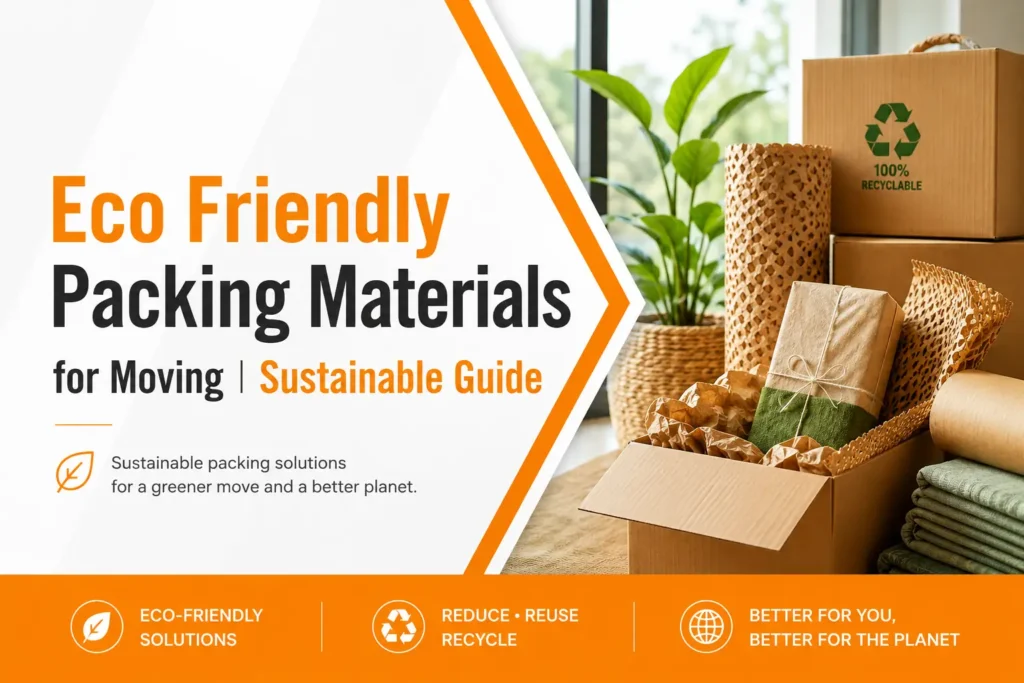
Choosing eco friendly packing materials for moving is one of the easiest ways to reduce waste during relocation while protecting your belongings. Traditional moving supplies often include single-use plastics, excessive cardboard, and non-recyclable materials that contribute to landfill waste. Today, more homeowners and businesses are looking for practical alternatives that support eco-friendly moving without sacrificing convenience or protection.
Whether you are relocating across town or planning long distance moves, adopting sustainable packing methods can lower your environmental footprint and even help with saving money. From reusable containers to recyclable wrapping materials, there are many ways to achieve a successful zero waste moving experience. This guide explains the best sustainable options, common mistakes to avoid, and when professional assistance becomes the smarter choice.
Why Eco Friendly Packing Materials Matter During a Move
Moving creates a surprising amount of waste. Cardboard boxes, discarded plastic bag packaging, damaged bubble wrap, and non-recyclable fillers often end up in landfills after a single use. Choosing eco friendly alternatives helps reduce this waste while minimizing the overall environmental impact of relocation. Sustainable packing practices are becoming increasingly important as more households seek responsible ways to move without creating unnecessary garbage.
Beyond environmental benefits, sustainable packing solutions can improve organization and efficiency. Reusable containers, recyclable packing paper, and durable packing materials often provide better protection than low-quality disposable supplies. Homeowners who combine smart planning with green packing strategies frequently discover that sustainable moving can be both practical and cost-effective. If you’re preparing for relocation, reviewing a detailed moving checklist can help ensure every eco-conscious step is covered.
- Reduces landfill waste
- Lowers resource consumption
- Supports sustainable relocation goals
- Improves packing efficiency
- Can reduce overall moving expenses
Best Eco Friendly Packing Materials for Moving
Many traditional supplies now have environmentally responsible alternatives. Instead of relying on disposable plastic products, homeowners can choose recyclable, reusable, and biodegradable options that provide excellent protection. Selecting the right materials helps support plastic free moving while keeping valuable belongings secure throughout transportation.
The most effective sustainable packing supplies are designed to be reused multiple times or easily recycled after use. This approach helps create a truly green moving experience while minimizing waste generation. The following materials are among the best choices for environmentally conscious relocations.
- Recycled cardboard boxes
- Biodegradable packing peanuts
- Recyclable packing paper
- Reusable storage bins
- Paper-based cushioning materials
- Eco-friendly packing tape
- Repurposed household linens and towels
Eco Friendly Packing Materials Comparison Table
| Packing Material | Eco-Friendly Level | Reusable | Recyclable | Best Used For | Cost Level |
|---|---|---|---|---|---|
| Recycled Cardboard Boxes | High | Limited | Yes | General household items | Low |
| Reusable Moving Containers | Very High | Yes | N/A (multiple reuse) | Full household moves | Medium |
| Biodegradable Packing Peanuts | High | Limited | Compostable | Fragile items | Medium |
| Recyclable Packing Paper | High | No | Yes | Wrapping dishes and glassware | Low |
| Paper-Based Cushioning | High | Limited | Yes | Electronics and delicate items | Medium |
| Eco-Friendly Packing Tape | Medium | No | Partially | Sealing boxes | Low |
| Towels, Blankets & Linens | Very High | Yes | N/A | Furniture and fragile item protection | Free |
| Reusable Fabric Covers | Very High | Yes | N/A | Furniture and mattresses | Medium |
Quick Recommendation
| Moving Situation | Recommended Packing Material |
|---|---|
| Budget-Friendly Move | Recycled boxes + household linens |
| Zero Waste Moving | Reusable containers + fabric covers |
| Fragile Items | Biodegradable peanuts + recyclable paper |
| Long Distance Moves | Reusable containers + paper cushioning |
| Plastic-Free Moving | Paper-based cushioning + reusable fabrics |
| Large Family Relocation | Reusable moving crates + recycled boxes |
Recycled Cardboard Boxes
Boxes made from recycled materials reduce demand for new paper products while remaining strong enough for most household items. Many local businesses, community groups, and recycling centers offer gently used boxes that can be reused multiple times before recycling again.
Biodegradable Packing Peanuts
Unlike traditional foam fillers, biodegradable packing peanuts dissolve naturally and create far less environmental waste. They provide reliable cushioning for fragile items and are often made from renewable materials such as cornstarch.
Reusable Household Materials
Blankets, towels, clothing, and linens can replace disposable wrapping products. These materials protect fragile items while eliminating the need for additional packaging purchases. This strategy works especially well for households pursuing moving without plastic goals.
How Reusable Moving Containers Support Zero Waste Moving
One of the fastest-growing trends in sustainable relocation is the use of reusable containers. Many people now choose reusable plastic moving solutions instead of purchasing large quantities of cardboard boxes. These containers are durable, stackable, and designed for repeated use, making them a practical option for both residential and commercial relocations.
Services that allow customers to rent plastic containers have become increasingly popular because they significantly reduce packaging waste. Unlike disposable boxes, plastic moving crates can be sanitized, reused hundreds of times, and transported efficiently. For families planning a local relocation, combining reusable containers with professional local moving services can streamline the entire process while supporting sustainability goals.
- Reduces cardboard waste
- Improves stacking stability
- Provides enhanced durability
- Supports zero waste moving objectives
- Minimizes replacement costs
When Plastic Crates Are the Greener Choice
Although some people assume all plastic products are environmentally harmful, reusable crates can actually reduce overall waste when used repeatedly. High-quality plastic moving crates often replace dozens of cardboard boxes over their lifespan, making them an effective component of a long-term sustainability strategy.
Green Boxes vs Traditional Moving Boxes
Green boxes are specifically designed to reduce environmental waste while maintaining the strength required for relocation. These boxes are often made from recycled materials, sourced from sustainable manufacturing processes, and intended for multiple uses before recycling. Compared to conventional boxes, they offer a more responsible option for households seeking non plastic moving solutions.
Traditional moving boxes can still be sustainable when reused several times, but many are discarded after a single move. In contrast, eco friendly moving boxes are often built for durability and recyclability from the start. People planning major household relocations can benefit from combining sustainable packing supplies with professional guidance from experienced moving company selection resources before making important relocation decisions.
- Made from recycled materials
- Designed for reuse
- Easier to recycle after moving
- Supports sustainability goals
- Reduces long-term waste generation
According to the U.S. Environmental Protection Agency, reducing, reusing, and recycling materials remains one of the most effective ways to lower household waste generation and conserve resources. Learn more through the EPA’s resource on waste reduction: EPA waste reduction guidance.
Eco Friendly Moving Tips That Reduce Waste and Save Money
Successful eco friendly moving tips start long before packing begins. One of the most effective strategies is reducing the number of items you need to move. Donating unwanted furniture, recycling outdated electronics, and selling unused household goods lowers transportation needs and decreases the amount of required packing materials. Fewer belongings mean fewer boxes, less fuel consumption, and a more efficient move from start to finish.
Another practical approach is sourcing used supplies before purchasing new ones. Community groups, local retailers, and previous movers often have boxes and packaging materials available for reuse. Combining sustainable supplies with professional packing services can help minimize waste while ensuring items are packed securely and efficiently. Smart planning helps create a cost-effective relocation without compromising environmental goals.
- Declutter before packing
- Donate usable household items
- Reuse existing containers
- Choose recyclable supplies
- Plan efficient transportation routes
- Reduce unnecessary purchases
Use What You Already Have
Many homes already contain useful packing materials. Suitcases, laundry baskets, storage bins, backpacks, towels, and blankets can replace disposable packaging products. Repurposing household items reduces costs and supports a more sustainable relocation process without sacrificing protection for valuable belongings.
Moving Without Plastic: Practical Alternatives That Work
Moving without plastic may seem challenging at first, but many alternatives provide equal or better protection. Instead of traditional plastic wrapping, movers can use recyclable paper cushioning, reusable fabric covers, and biodegradable fillers. These materials help create a more environmentally responsible move while reducing dependence on single-use plastics that often end up in landfills.
Homeowners pursuing plastic free moving should focus on replacing the most common plastic-based supplies first. Eliminating disposable wraps, excessive plastic packaging, and unnecessary synthetic fillers can significantly reduce waste. For additional preparation guidance, reviewing a detailed moving preparation guide can help identify opportunities to pack more sustainably.
- Replace plastic wrap with reusable covers
- Use paper cushioning instead of foam
- Choose biodegradable fillers
- Avoid single-use bags when possible
- Select reusable containers
Alternatives to Bubble Wrap
Traditional bubble wrap is widely used but often difficult to recycle. Safer alternatives include recycled paper padding, corrugated cardboard inserts, reusable blankets, and fabric wraps. These options provide strong protection while supporting environmentally conscious moving practices.
Common DIY Green Packing Mistakes Homeowners Make
Many people attempt green packing with good intentions but encounter problems that lead to damaged belongings, wasted supplies, or unexpected costs. One common mistake is using weak recycled boxes that cannot support heavy items. Another is overpacking containers to reduce box count, which increases the risk of breakage and injury during loading and unloading.
DIY movers also frequently underestimate the amount of protective material needed for fragile belongings. While sustainability is important, protection cannot be ignored. Improper packing often results in damaged items that require replacement, ultimately creating more waste and expense. Professional moving companies understand how to balance environmental responsibility with effective protection strategies.
- Using damaged boxes
- Insufficient cushioning
- Poor weight distribution
- Skipping item labeling
- Overloading containers
- Improper protection for fragile items
Why DIY Sustainability Can Backfire
A poorly planned eco-friendly move can actually increase waste. Broken belongings, duplicate supply purchases, and inefficient transportation all contribute to unnecessary resource consumption. Sustainable moving works best when environmental goals are combined with proven packing and transportation practices.
When Long Distance Moves Require Professional Support
Long distance relocations present unique challenges that often require more advanced planning than local moves. Items remain in transit longer, encounter more handling points, and face greater exposure to shifting temperatures and road conditions. Sustainable packing becomes even more important because damaged goods often need replacement, increasing both costs and environmental impact.
Professional movers understand how to select appropriate packing materials, secure fragile items, and maximize transportation efficiency. For families preparing for long distance moves, working with experienced providers can help reduce waste while improving protection. Reliable long distance moving services often include customized packing strategies designed to minimize environmental impact without compromising safety.
- Greater risk of item damage
- Longer transportation times
- More complex logistics
- Higher packing requirements
- Increased need for professional expertise
Protecting Fragile Items Sustainably
Fragile belongings require careful attention during extended transportation. Professional movers frequently use reusable protective materials, layered paper cushioning, and durable containers that provide superior protection while supporting environmentally responsible relocation practices.
Signs Professional Service Is Needed
While many sustainable packing techniques can be handled independently, certain situations call for professional assistance. Large households, specialty items, business relocations, and complex moving schedules often require expertise that goes beyond basic DIY packing. Attempting these projects alone can increase the risk of property damage, injuries, delays, and unnecessary waste.
Professional moving teams have access to efficient packing systems, reusable equipment, and proven methods that support both sustainability and protection. If your move involves valuable furniture, artwork, pianos, extensive inventory, or multiple destinations, professional support can save time and prevent costly mistakes while maintaining environmentally conscious practices.
- Large household relocations
- Fragile or high-value items
- Office relocations
- Tight moving schedules
- Storage coordination needs
- Cross-country relocations
- Specialty item transportation
Research from University of Minnesota Extension highlights the importance of reducing consumption and reusing materials whenever possible, principles that align closely with sustainable relocation practices and waste reduction goals.
Why Choose Eagle Star Moving for Sustainable Relocation
Sustainable relocation requires more than simply choosing recyclable boxes. It involves efficient planning, responsible material selection, proper packing techniques, and transportation strategies that reduce waste while protecting valuable belongings. Professional movers who understand these factors can help homeowners achieve environmental goals without increasing risk or complexity.
Whether you’re pursuing eco-friendly moving, planning a plastic free relocation, or searching for practical ways to reduce waste during moving day, working with experienced professionals provides peace of mind. Eagle Star Moving helps customers combine efficiency, protection, and sustainability through customized relocation solutions designed for modern moving needs. Additional guidance from organizations such as the American Trucking Associations Moving & Storage Conference further supports best practices for safe and responsible relocations.
- Professional packing expertise
- Efficient transportation planning
- Residential and commercial moving solutions
- Long-distance relocation support
- Specialty item handling
- Flexible service options
- Commitment to customer satisfaction
Frequently Asked Questions About Eco Friendly Packing Materials for Moving
What are the best eco friendly packing materials for moving?
The best eco friendly packing materials for moving include recycled cardboard boxes, biodegradable packing peanuts, recyclable packing paper, reusable containers, and paper-based cushioning products. These materials help reduce waste while providing reliable protection for household belongings during transport.
How can I achieve a zero waste moving experience?
Zero waste moving starts with decluttering, donating unwanted items, reusing available containers, and choosing recyclable or reusable packing supplies. Planning ahead and minimizing disposable materials can significantly reduce the amount of waste generated during relocation.
Is moving without plastic realistic for most households?
Yes. Moving without plastic is achievable for many households by replacing plastic wrap with blankets, using recyclable paper cushioning, and selecting reusable storage bins. While some specialty items may require additional protection, most packing needs can be met with sustainable alternatives.
Are eco friendly moving boxes strong enough for heavy items?
Eco friendly moving boxes made from recycled materials can be extremely durable when sourced from reputable suppliers. Many are specifically designed for multiple uses and provide the strength necessary for books, kitchenware, and other heavy household items.
Can sustainable packing supplies help save money?
Yes. Reusing household materials, sourcing second-hand boxes, and renting reusable containers often reduce overall moving expenses. Sustainable packing methods support both environmental goals and saving money during relocation.
When should I hire professional movers for a green move?
Professional assistance is recommended for large homes, specialty items, business relocations, and long distance moves. Experienced movers can reduce waste, improve efficiency, and ensure valuable belongings remain protected throughout the moving process.
What is the difference between green boxes and regular moving boxes?
Green boxes are typically manufactured with recycled materials and designed for reuse or easy recycling. Traditional boxes may still be recyclable, but green alternatives often prioritize sustainability throughout the entire production and usage cycle.
Make Your Next Move More Sustainable and Less Stressful
Choosing sustainable packing solutions is one of the smartest ways to reduce waste, protect your belongings, and improve moving efficiency. From reusable containers and recyclable paper products to carefully planned transportation strategies, environmentally responsible relocation practices benefit both households and the planet.
If you’re looking for professional guidance, expert packing support, or help coordinating a sustainable move, consider working with experienced movers who understand how to balance protection, efficiency, and environmental responsibility. Whether your relocation is local or long distance, the right team can help simplify the process while reducing unnecessary waste.
Conclusion
Using eco friendly packing materials for moving is a practical way to reduce your environmental footprint while maintaining the protection your belongings need. Sustainable options such as recyclable paper products, reusable containers, biodegradable fillers, and durable eco friendly moving boxes help create a cleaner, more efficient relocation process. When the move becomes complex, involves specialty items, or requires extensive coordination, professional assistance can help prevent costly mistakes and unnecessary waste. For homeowners and businesses seeking a smoother, greener relocation experience, Eagle Star Moving provides the expertise needed to make sustainable moving simple. Contact the team today to discuss your upcoming move and schedule a personalized relocation plan.