Skip to content


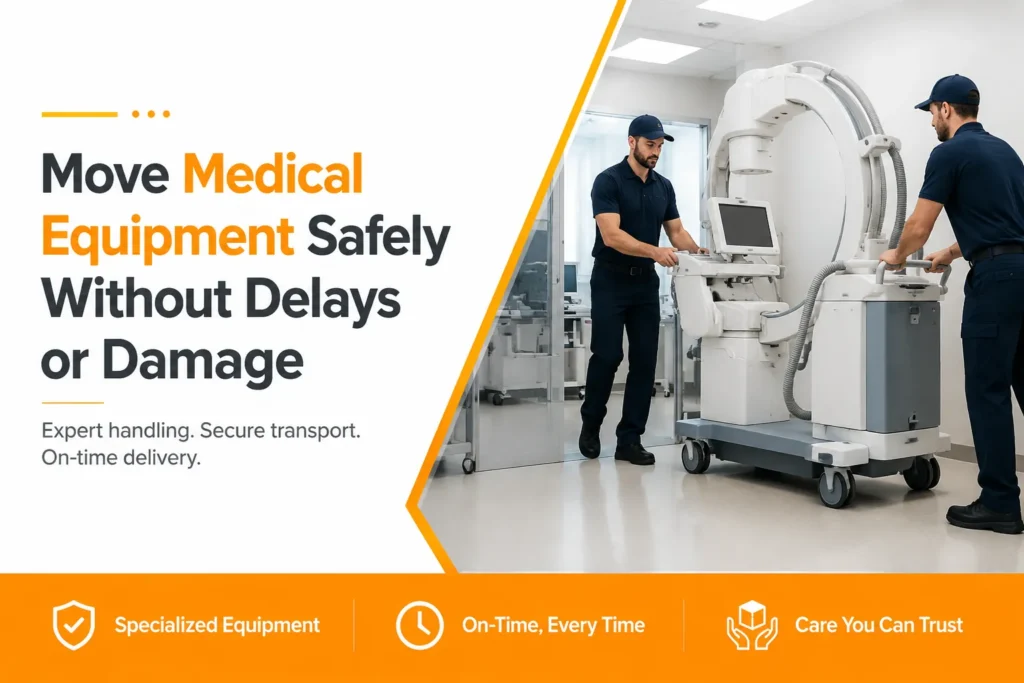
Learning how to move medical office equipment requires far more planning than a standard business move. Medical practices rely on sensitive technology, patient scheduling, protected files, and operational continuity. Even a small mistake during a medical office relocation can interrupt patient care, damage expensive devices, or create compliance concerns. From heavy imaging systems to fragile lab equipment, every item must be packed, transported, and installed carefully to avoid downtime and financial loss.
Many healthcare providers underestimate the complexity of moving medical equipment until they begin the process. A successful medical relocation depends on organized timelines, trained crews, proper transportation methods, and secure handling procedures. Clinics, dental offices, laboratories, and specialty practices often need climate controlled transportation, custom crating, and strategic scheduling around patient appointments. If you are planning a healthcare move, reviewing a proper moving checklist can help reduce preventable delays and operational disruptions.
Why Medical Equipment Moves Require Specialized Planning
A standard office move focuses on desks, computers, and furniture, but medical equipment relocation involves high value technology that directly affects patient safety. Diagnostic systems, treatment devices, refrigeration units, and electronic records all require specialized handling. During the planning process, healthcare providers must evaluate access points, elevator dimensions, loading zones, utility connections, and the new office location to avoid complications on moving day.
Healthcare offices also face strict operational demands during medical office moving. Many practices cannot afford extended downtime because patients rely on uninterrupted care. This is especially important during long distance moving projects where timing and transportation conditions can impact delicate systems. Professional relocation teams often create detailed inventories, assign move coordinators, and map equipment placement according to the new floor plan before transportation even begins.
Common Medical Equipment That Requires Professional Movers
Healthcare facilities use a wide range of fragile and oversized devices that should never be handled by inexperienced movers. Improper lifting or transportation can permanently damage internal calibration systems, electronic components, and imaging functions. Most practices moving into a new office space require professional handling for both large machinery and sensitive accessories connected to daily patient operations.
Examples of specialized equipment that often require professional relocation services include:
- Ray machines and imaging systems
- Dental chairs and compressors
- Ultrasound machines
- Medical refrigerators and freezers
- Surgical tools and sterilization units
- Computers containing medical records
- Diagnostic testing systems
- Sensitive lab equipment
Healthcare offices handling expensive specialty items may also benefit from reviewing high value moving strategies before finalizing their relocation timeline.
How Proper Packing Protects Medical Equipment
One of the biggest mistakes during medical equipment moving is using standard packing materials for delicate devices. Medical systems often contain sensitive circuitry, glass components, calibration sensors, and internal mechanics that cannot tolerate vibration or sudden impact. Professional movers use anti static wrapping, reinforced crates, foam cushioning, and custom support systems to stabilize equipment during transportation.
Temperature control is another critical factor during a medical practice relocation. Certain devices, medications, and testing materials must remain in climate controlled conditions to preserve functionality and compliance standards. Experienced movers evaluate environmental requirements before loading trucks and often coordinate with manufacturers to confirm transportation guidelines. Practices moving specialized systems should also consider white glove movers for additional protection and handling precision.
The Risks of DIY Medical Office Moving
Attempting a DIY healthcare move often leads to costly delays, damaged equipment, and operational setbacks. Medical devices are not designed for casual handling, and improper transportation can void warranties or require expensive recalibration. Clinics that attempt to move medical equipment without trained professionals frequently underestimate the complexity of disconnecting systems, protecting sensitive electronics, and coordinating safe delivery schedules.
DIY relocation also creates unnecessary liability concerns. Staff members may suffer injuries while lifting heavy equipment, and unsecured devices can become damaged during transport. Poor planning can delay reopening dates and interrupt patient appointments. In some cases, mishandled medical records can even create privacy compliance issues. Professional moving services reduce these risks by managing logistics, transportation, scheduling, and secure handling from start to finish.
How to Minimize Downtime During a Medical Relocation
Reducing downtime should be a top priority when moving your medical practice. Most successful healthcare relocations begin months before the official move date. Practices should create timelines for disconnecting equipment, notifying patients, transferring utilities, and updating licensing information tied to the new office location. Organized preparation helps maintain operational continuity while preventing scheduling confusion.
Professional movers often recommend phased relocations for larger clinics. Instead of shutting down completely, departments may move in stages while patient services continue in limited capacity. Coordinating move dates around weekends or slower appointment periods can also reduce disruption. Healthcare offices planning larger business relocations can review office moving strategies to improve efficiency during the transition.
Compliance and Patient Safety During Equipment Relocation
Protecting patient safety is one of the most important parts of any medical equipment relocation. Healthcare offices must secure confidential files, maintain sanitation standards, and ensure equipment remains functional after transportation. Certain devices require manufacturer approved shutdown procedures before relocation, while others need recalibration and testing before returning to patient use.
Healthcare facilities should also verify that movers understand compliance standards involving patient privacy and equipment handling. According to the Centers for Disease Control and Prevention, maintaining clean healthcare environments and safe equipment handling procedures plays a major role in preventing contamination risks. Proper transportation planning helps healthcare providers maintain safe operational standards throughout the move.
Preparing Your New Medical Office Space
Before any equipment arrives, the new office space should be fully prepared for installation. This includes confirming electrical capacity, internet connectivity, plumbing access, and room dimensions for oversized systems. Healthcare practices should carefully review the new floor plan to ensure smooth patient flow, equipment accessibility, and proper placement of treatment rooms and administrative stations.
University research on healthcare facility planning from Stanford University Environmental Health & Safety highlights the importance of organized layouts and safe equipment placement in professional environments. Proper setup reduces operational inefficiencies and helps practices resume patient care more quickly after the relocation process is complete.
Signs Professional Service Is Needed
Many healthcare providers realize too late that professional relocation support is necessary. If your move involves oversized systems, sensitive technology, or complex scheduling requirements, hiring experts can prevent major disruptions. Specialized movers understand how to coordinate logistics while protecting expensive assets and minimizing downtime for patients and staff members.
You should strongly consider professional relocation services if your move includes:
- Large imaging systems or ray machines
- Temperature sensitive inventory
- Heavy medical equipment
- Secure transfer of medical records
- Multi floor office buildings
- Compressed relocation timelines
- Long distance moving requirements
- High value or fragile specialized equipment
Healthcare offices with complicated relocations often benefit from reviewing professional commercial movers services before scheduling their final move dates.
Why Choose Eagle Star Moving
Healthcare relocations require experience, organization, and careful attention to detail. Professional teams understand the challenges involved in medical office relocation, from protecting fragile systems to coordinating schedules that minimize operational disruption. Experienced movers create customized relocation plans designed around patient schedules, equipment sensitivity, and building access requirements.
Eagle Star Moving provides full service support for clinics, specialty offices, laboratories, and healthcare facilities handling complex relocations. From packing and transportation to storage and setup coordination, the company helps healthcare providers complete their medical practice relocation efficiently while reducing unnecessary stress. Practices needing secure transportation for fragile systems can also explore specialty moving solutions for sensitive medical equipment.
FAQs About Medical Office Relocation
How far in advance should I plan a medical office relocation?
Most healthcare providers should begin planning at least three to six months before the move. Larger practices with complex medical equipment relocation needs may require additional preparation time to coordinate vendors, schedules, compliance requirements, and installation timelines.
Can medical equipment be moved without manufacturer assistance?
Some devices can be relocated by trained professional movers, but highly specialized systems may require manufacturer supervision. Imaging systems, surgical technology, and sensitive diagnostic tools often need approved shutdown, transportation, and recalibration procedures after delivery.
What is the biggest risk during medical equipment moving?
The largest risks include equipment damage, data loss, scheduling delays, and compliance issues involving patient information. Improper handling during medical equipment moving can also create safety hazards and lead to costly repairs or operational downtime.
Do movers provide climate controlled transportation for medical equipment?
Yes. Professional moving services often offer climate controlled transportation for temperature sensitive medical devices, medications, and laboratory materials. This helps protect sensitive equipment from humidity, heat exposure, and environmental fluctuations during transport.
How can I reduce downtime during a medical relocation?
Create a detailed planning process, schedule moves during slower business periods, and coordinate utility setup before equipment delivery. Professional movers can also stage the relocation in phases to keep certain departments operational during the transition.
Should medical records be transported separately?
Yes. Physical and digital medical records should remain secured throughout the relocation. Many healthcare offices assign separate transportation procedures for confidential files to maintain patient privacy and reduce compliance risks during the move.
What services are included in full service medical office moving?
A full service healthcare relocation may include packing, disassembly, transportation, equipment protection, storage, installation coordination, and setup assistance. Some providers also help manage scheduling logistics and workspace planning for the new location.
Ready to Plan Your Medical Equipment Move?
Understanding how to move medical office equipment properly can help your practice avoid delays, protect expensive systems, and maintain patient confidence during relocation. Healthcare moves involve far more than transportation alone, especially when sensitive equipment, scheduling demands, and compliance concerns are involved.
If your clinic or healthcare facility is preparing for a move, Eagle Star Moving can help simplify the process with experienced coordination, secure transportation, and specialized handling for medical environments. Contact the team today to discuss your timeline, evaluate your relocation needs, and schedule a professional moving plan built around your practice.