Skip to content


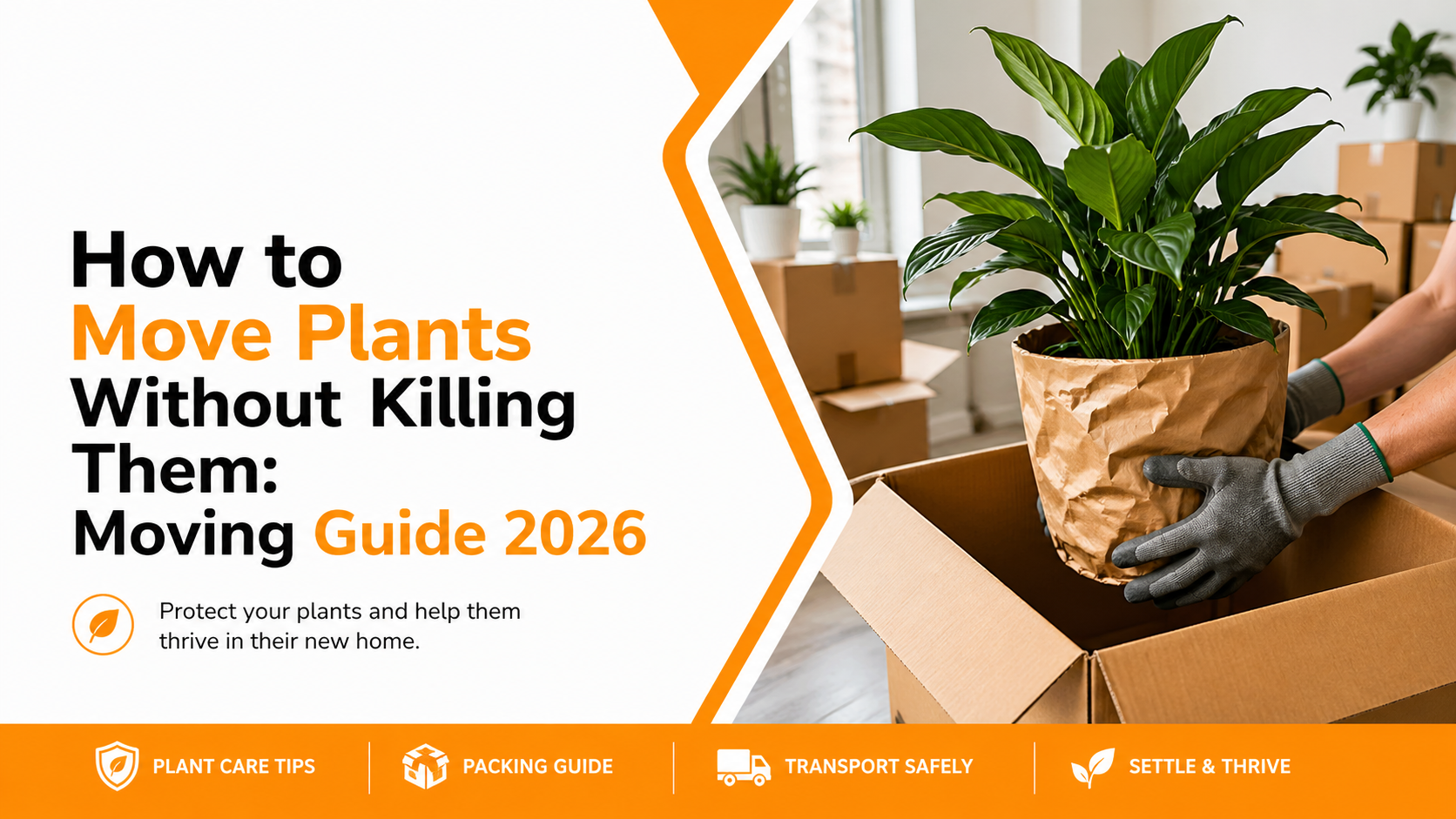
If you’re searching for how to move plants without killing them, you already know that relocating live plants is not as simple as packing furniture. Plants react to stress, temperature changes, and poor handling. Without proper care, even a short trip inside a moving truck or hot car can cause serious damage.
Whether you’re moving with plants locally or planning long distance moving, success depends on preparation, timing, and smart handling. This guide explains exactly how to transport plants, avoid common mistakes, and when to hire professionals so your plants arrive at your new home healthy and thriving.
Why Moving Plants Is More Complicated Than You Think
Many people underestimate moving plants. Plants are living organisms that depend on stable conditions. Sudden changes in light, airflow, and humidity during transport can shock them, especially when placed in a closed moving truck without ventilation.
Different plant species react differently. Some tolerate stress, while others quickly deteriorate. If you’re unsure how to handle delicate plants, reviewing this moving guide can help you understand when professional moving companies are necessary.
How to Prepare Plants Before Moving Day
Preparation is the foundation of how to pack plants for moving. Start at least two weeks before moving day. Trim dead leaves, inspect for pests, and consider repotting into lightweight containers to reduce breakage risks.
Watering must be balanced. Overwatering leads to leakage, while dry soil stresses roots. According to EPA plant care guidance, maintaining proper moisture levels is essential for plant survival during environmental changes, especially during relocation.
Essential Packing Materials
Use high-quality packing material such as breathable boxes, packing paper, and cushioning supports. Wrap the base with paper towels to absorb excess moisture. A ventilated plastic bag can protect foliage while still allowing airflow.
How to Pack Plants for Moving Without Damage
Understanding how to move house plants across country starts with proper packing. Secure each pot inside a sturdy box and fill gaps with soft material to prevent shifting. The root ball must remain stable to avoid internal damage.
For a small plant, individual boxes work best. Larger plants require custom support structures. If you lack experience, consider a packing service to ensure plants safely survive transit.
How to Transport Plants Safely During the Move
Knowing how to transport plants is critical. Whenever possible, bring your plants in your personal vehicle. This allows better control over temperature and airflow compared to a moving truck.
During moving plants cross country, stop periodically to check moisture and condition. Avoid extreme heat and direct sunlight. Experts at University plant research recommend stable temperature conditions to reduce plant shock during relocation.
Common Transport Mistakes to Avoid
Never leave plants inside a parked vehicle for long periods. Avoid overcrowding, which restricts airflow. These mistakes are common when handling transporting plants when moving without experience.
Best Time of Year to Move Plants
The best way to move plants when moving house often depends on timing. Spring and fall provide moderate temperatures, making them ideal for relocation. Extreme heat or cold increases stress on live plants.
When planning how to move long distance with plants, align your move with favorable weather. As noted by gardening experts, seasonal changes directly affect plant resilience during transitions.
DIY Plant Moving Risks Most People Ignore
DIY attempts at how to move plants long distance often fail due to poor preparation. Incorrect packing plants methods, lack of airflow, and temperature fluctuations can quickly damage sensitive plants.
Another challenge is time. During long distance moving, you may not be able to monitor conditions consistently. Following a moving checklist helps, but without expertise, risks remain high.
Signs Professional Service Is Needed
In many cases, hiring professionals is the safest option for moving plants. This is especially true for valuable or fragile plants that require controlled handling.
- Delicate or rare plant species
- Extended long distance moving
- No temperature control during transport
- Limited time for monitoring plant condition
- Need for expert packing plants techniques
Professional moving companies reduce risks and ensure proper care throughout the journey.
Why Choose Eagle Star Moving
Relocating plants requires attention to detail and experience. Professional movers understand how to handle live plants, manage temperature, and use the right packing material for protection.
If you are planning relocation, working with long distance movers ensures your plants are handled properly from start to finish, reducing stress and improving survival rates.
FAQs About Moving Plants
Can I move plants across state lines?
Yes, but plants across state regulations may apply. Some states restrict certain species. Always check local rules before transporting plants.
How do I keep plants alive during moving?
Maintain moisture, airflow, and stable temperatures. Avoid exposing plants to a hot car or extreme cold conditions.
What is the safest way to transport plants?
The safest method is using a personal vehicle where you can monitor conditions and avoid damage during transporting plants when moving.
Should I pack plants in boxes?
Yes, but use breathable boxes with cushioning. Proper packing material helps keep plants stable and protected.
Is professional help necessary for plant moving?
For long-distance or fragile plants, professional help ensures safe handling and reduces the risk of plant loss.
Ready for a Safe and Stress-Free Move
Mastering how to move plants without killing them takes planning, patience, and the right techniques. While DIY methods can work for short moves, longer relocations often require professional support.
If you want your plants to arrive at your new home healthy, consider working with experienced movers. Eagle Star Moving can help you plan and execute a safe relocation. Contact the team today to schedule your move and protect what matters most.