Skip to content


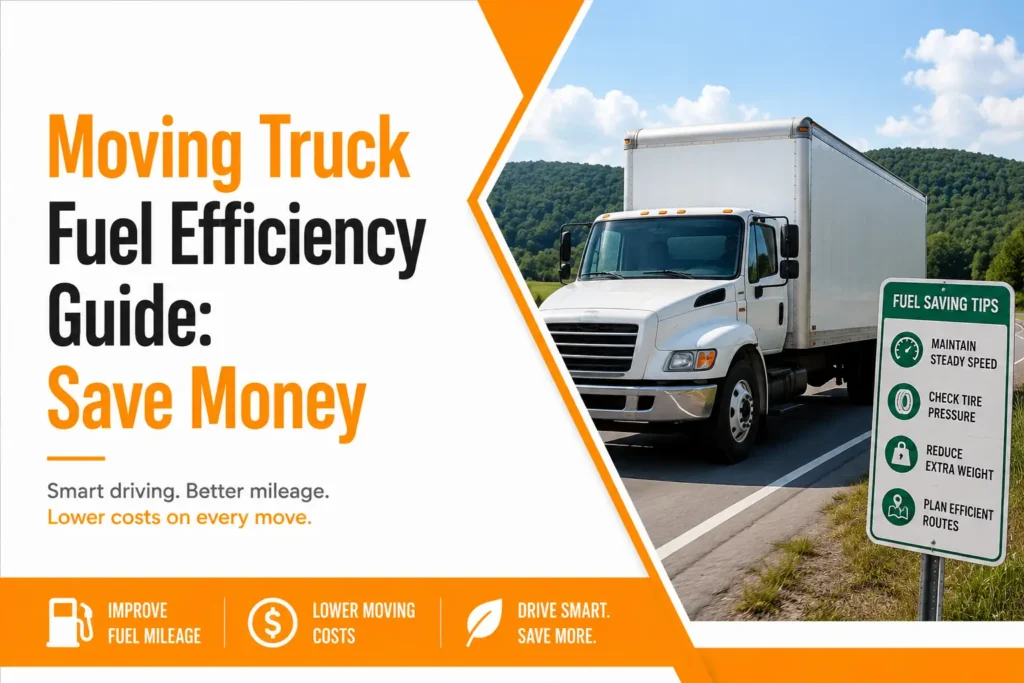
Planning a move can become expensive quickly, especially when rising fuel prices are added to truck rental costs, labor, and packing supplies. Understanding fuel saving tips for moving trucks can help homeowners and businesses reduce unnecessary expenses while improving overall moving efficiency. Whether you are handling a local relocation or preparing for a long haul move across California, smart driving habits and proper truck preparation make a noticeable difference in fuel consumption.
Many people underestimate how quickly poor planning affects truck fuel saving. Heavy loads, bad route selection, excessive idling, and poor maintenance all increase fuel costs. Professional movers focus heavily on fuel management, route optimization, and safe loading practices because every mile matters. According to the U.S. Department of Energy fuel efficiency guide, driving habits and vehicle maintenance directly impact fuel usage and operating expenses.
Why Fuel Efficiency Matters During a Move
Most people focus only on truck rental pricing and forget about the impact of fuel efficiency. Large moving trucks burn significantly more fuel than passenger vehicles, especially when overloaded or driven aggressively. Improving trucking fuel economy helps reduce total moving expenses while minimizing stress during long distance relocations. Drivers who maintain consistent speeds and avoid rapid acceleration often see better average miles per gallon during transport.
Fuel efficiency also affects scheduling and overall moving performance. Trucks that require extra fuel stops or experience mechanical problems create delays that disrupt moving timelines. Reading resources like moving checklist helps homeowners prepare properly before moving day. Professional movers understand how leet operating standards, route planning, and balanced loading all work together to improve fuel savings while protecting belongings.
Smart Loading Practices That Reduce Fuel Consumption
One of the biggest causes of unnecessary fuel consumption is improper truck loading. Unbalanced weight distribution forces the engine to work harder and reduces overall vehicle stability. Heavy furniture should always be placed evenly across the truck floor while lighter boxes remain secured above. Proper loading also reduces wear on tires and suspension systems, which contributes to better truck fuel saving during longer trips.
DIY movers often underestimate how much unused clutter adds to moving expenses. Carrying unnecessary items lowers trucking fuel economy and increases truck strain. Downsizing before moving day is one of the easiest ways to improve efficiency. Homeowners preparing for relocation can review downsizing tips to eliminate extra weight and reduce fuel-related costs before the truck even leaves the driveway.
Use Proper Packing Materials
Damaged or weak boxes shift during transit and create unstable loads that reduce truck balance. Professional packing supplies help secure belongings safely while supporting better fuel distribution. Using organized packing methods also shortens loading time, reducing unnecessary idling and helping drivers stay on schedule.
Driving Behavior Has a Major Impact on Fuel Savings
Many drivers do not realize how much driving behavior affects fuel savings. Speeding, sudden braking, and aggressive acceleration dramatically increase truck fuel usage. Maintaining controlled speeds improves fuel efficiency while reducing engine stress. Using cruise control on highways helps maintain steady performance and limits wasted fuel caused by inconsistent driving patterns.
Traffic conditions throughout Southern California make efficient driving even more important. Areas like Los Angeles, Pasadena, Santa Monica, Tarzana, and Ontario often experience congestion that leads to excessive idling. These delays quickly increase fuel costs for moving trucks. Drivers planning local relocations can review moving timing strategies to avoid peak traffic periods and improve overall fuel economy.
Avoid High Highway Speeds
Driving above recommended highway speeds reduces fuel efficiency because the engine must work harder against wind resistance. Large moving trucks are especially affected by speed increases. Keeping speeds controlled improves vehicle safety while helping drivers achieve better average miles per gallon during local and long distance moves.
Preventative Maintenance Improves Truck Fuel Economy
Ignoring vehicle maintenance is one of the fastest ways to increase fuel consumption. Dirty air filters, worn spark plugs, low tire pressure, and poor engine performance all reduce trucking fuel economy. Professional moving companies rely heavily on preventative maintenance because properly serviced trucks operate more efficiently and experience fewer delays during transportation.
Routine inspections also protect movers from unexpected breakdowns during a move. Tire blowouts and overheating engines create serious delays and often increase overall relocation costs. The University of Montana transportation research resources highlight how maintenance and driving efficiency directly affect fleet operating costs and fuel performance.
Fuel Saving Strategies for Trucking Fleets and Moving Companies
Professional movers use advanced fuel saving strategies for trucking fleets to control operating expenses and improve scheduling efficiency. GPS tracking, optimized dispatching, and real time monitoring systems help reduce wasted mileage. Effective fleet management also identifies drivers with unsafe habits that negatively impact fleet fuel performance and long-term maintenance expenses.
Companies handling frequent relocations in California often rely on route optimization tools that avoid heavy congestion areas. These systems improve delivery accuracy while reducing unnecessary fuel waste. Homeowners searching for dependable moving support can review moving company selection tips before hiring professionals for local or long distance moves.
Monitor Idling Time Carefully
Reducing excessive idling is one of the most effective ways to improve fuel savings. Trucks consume fuel even when parked with the engine running. Professional moving crews minimize idle time during loading, unloading, and waiting periods to improve efficiency and reduce unnecessary operating costs.
Fuel Saving Tips for Moving Trucks Los Angeles Drivers Should Follow
Heavy traffic throughout Southern California creates unique challenges for drivers searching for fuel saving tips for moving trucks Los Angeles. Stop and go driving lowers fuel efficiency while increasing driver fatigue. Planning departures during off peak traffic hours helps reduce delays and improves overall truck performance during urban relocations.
Many neighborhoods throughout Pasadena, Tarzana, Ontario, and Santa Monica also have tight streets and limited parking that complicate truck maneuvering. Drivers researching fuel saving tips for moving trucks Pasadena or fuel saving tips for moving trucks Santa Monica should prepare routes carefully before moving day. Reviewing Los Angeles moving preparation helps homeowners avoid common transportation and scheduling mistakes.
DIY Moving Often Creates Hidden Fuel Expenses
Many people assume DIY moving automatically saves money, but fuel expenses often prove otherwise. Inexperienced drivers frequently make multiple trips, overload trucks, or select vehicles that are too large for their move. These mistakes increase fuel consumption and reduce overall efficiency. Improper driving techniques also create unnecessary wear that can result in expensive rental penalties.
Professional movers understand how to maximize truck space while maintaining safe weight distribution. They also plan routes that minimize wasted mileage and traffic delays. Customers considering whether to handle relocation themselves should compare expenses carefully before making a decision. Professional moving support often reduces hidden costs connected to fuel waste, delays, and equipment problems.
For additional industry guidance on fuel efficiency and transportation practices, the American Trucking Associations transportation resources provide useful information about trucking operations, fuel management, and industry standards.
Signs Professional Moving Service Is Needed
Some moves become too complicated for DIY transportation, especially when large households, specialty items, or tight schedules are involved. If your relocation includes heavy furniture, delicate valuables, or long distance transportation, professional movers can help reduce costly mistakes and improve fuel management. Experienced crews know how to handle difficult logistics while maintaining better overall fuel efficiency.
Frequent delays, repeated truck trips, poor packing organization, and difficulty navigating city traffic are clear signs outside help may be necessary. Commercial relocations and apartment moves in crowded urban areas also require advanced coordination to reduce downtime and unnecessary fuel usage. Hiring experienced movers often saves time, lowers stress, and prevents avoidable transportation expenses.
- Repeated overloading of the truck
- Frequent fuel stops during local moves
- Unsafe driving conditions or poor route planning
- Difficulty managing large or fragile furniture
- Long distance moves requiring multiple driving days
Why Choose Eagle Star Moving
Reliable moving companies understand that controlling fuel costs is part of delivering efficient relocation services. Professional crews use smart loading methods, route planning, and organized scheduling to improve overall moving performance. Customers benefit from experienced drivers who understand safe transportation practices, efficient truck operation, and practical ways of reducing fuel waste during relocation.
Whether customers need local apartment moving, long distance relocation, or specialty transportation services, Eagle Star Moving focuses on dependable scheduling and careful handling from start to finish. Professional support becomes especially valuable during difficult California relocations where traffic, parking restrictions, and tight timelines increase transportation complexity. Clients looking for experienced relocation help can request a free estimate or explore local moving services for additional support.
FAQs
What are the best practices for fuel savings in trucking?
The best practices include maintaining proper tire pressure, reducing aggressive driving, limiting excessive idling, and following preventative maintenance schedules. Balanced loading and efficient route planning also improve fuel economy during local and long haul moves.
How does cruise control help truck fuel saving?
Using cruise control helps maintain consistent speed on highways, reducing unnecessary acceleration and braking. This improves average miles per gallon and lowers overall fuel consumption, especially during longer moving trips across California.
Why is aggressive driving bad for trucking fuel economy?
Aggressive driving forces the engine to work harder and burn more fuel. Rapid acceleration, speeding, and hard braking lower fuel efficiency while increasing wear on tires, brakes, and transmission systems.
Are fuel saving tips for moving trucks California drivers different?
California drivers often deal with heavier congestion, longer idle times, and stricter traffic conditions. Planning around peak traffic hours and using optimized routes are especially important for improving fuel savings in California cities.
How can I improve fuel saving tips for moving trucks Ontario routes?
Planning efficient routes, reducing unnecessary truck weight, and avoiding stop and go traffic help improve fuel efficiency in Ontario. Scheduling moves during lower traffic periods also reduces delays and wasted fuel.
Do professional movers help reduce fuel costs?
Yes, professional movers understand truck loading, route planning, and efficient transportation methods that reduce unnecessary fuel use. Their experience helps minimize delays, repeat trips, and inefficient driving patterns.
Schedule a More Efficient Move
Reducing moving expenses starts with understanding practical fuel saving tips for moving trucks and knowing when professional support makes sense. Efficient loading, safer driving habits, preventative maintenance, and better route planning all help lower unnecessary fuel waste during relocation.
If you want a smoother move with fewer transportation headaches, contact Eagle Star Moving to schedule your move, request guidance, or discuss the most efficient moving solution for your situation.